In 2026, pre-college students face a unique crossroads. High schoolers are navigating academic pressure, social media overload, and the lingering effects of a post-pandemic world where youth mental health challenges have surged. At the same time, a clear trend has emerged: families and educators are prioritizing “grit-building experiences” that go beyond traditional academics. According to recent insights on teen summer programs, outdoor adventure camps and experiential travel are exploding in popularity precisely because they deliver tangible boosts in resilience, self-confidence, and leadership skills that translate directly to college success and lifelong well-being.
Adventure travel isn’t just a vacation; it’s a structured, immersive challenge in unfamiliar environments. For pre-college teens, programs like those offered by ACA blend real-world travel with personal development. Whether it’s outdoor adventures paired with community service in Costa Rica or surfing camps on Malibu beaches, these experiences force students to step outside their comfort zones, exactly what builds the mental toughness and leadership presence colleges (and future employers) crave.
How Adventure Travel Forges Resilience
Resilience, the ability to adapt, recover, and grow from setbacks, isn’t taught in textbooks. It’s forged through repeated exposure to manageable discomfort. Adventure travel accelerates this process by combining physical exertion, unpredictable conditions, and cultural immersion.
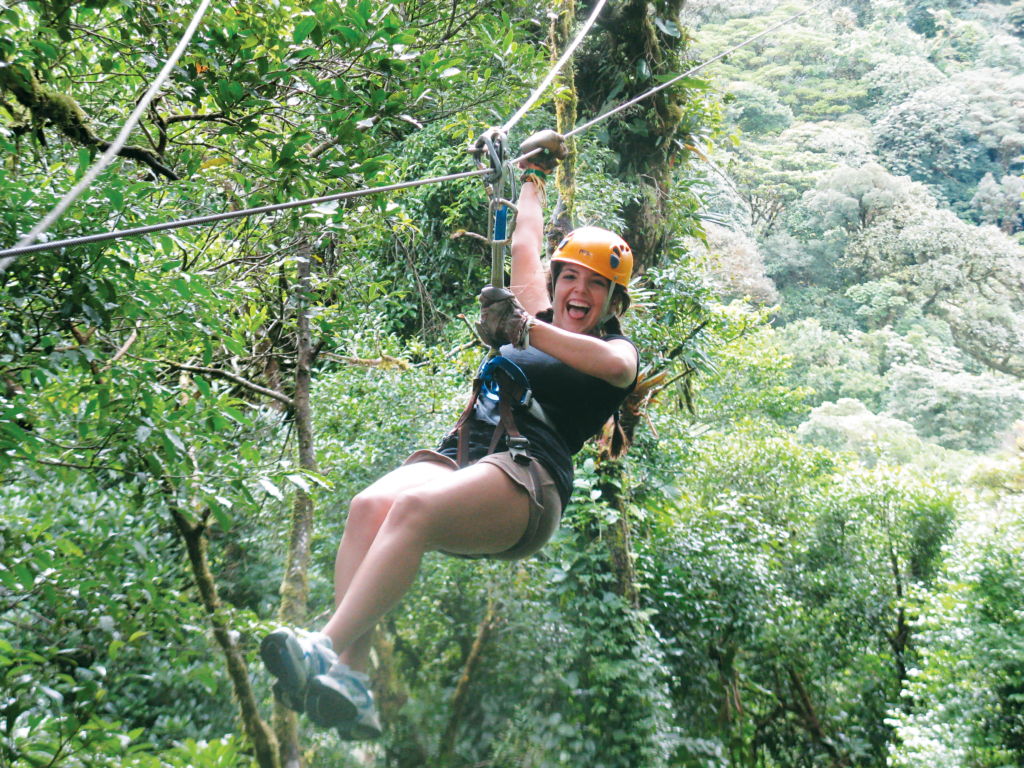
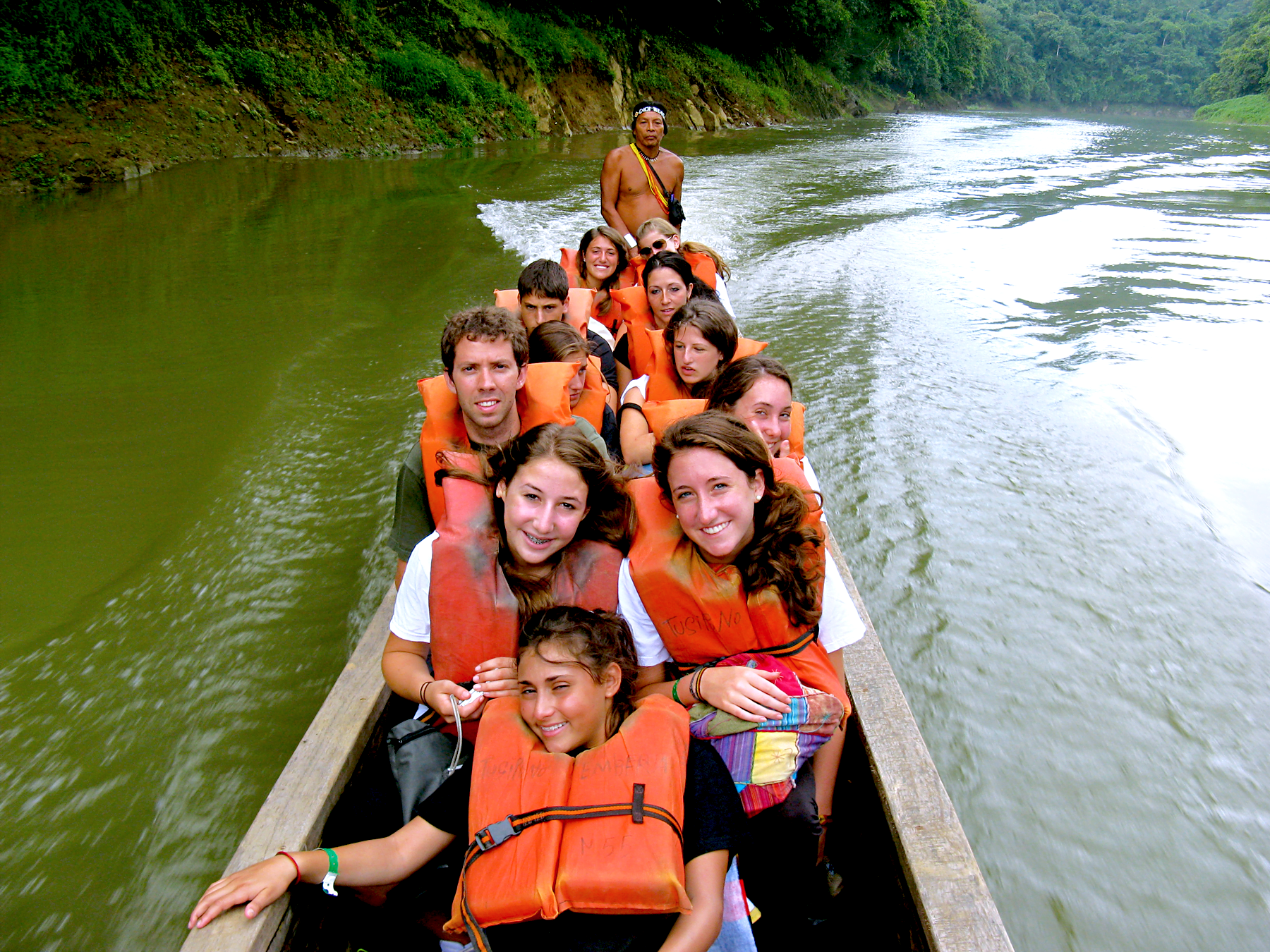
Consider the daily rhythm in ACA’s Costa Rica Community Service program. Your teen will spend time focusing on meaningful service projects (earning up to 30 volunteer hours), then shift to outdoor adventures, hiking, beach explorations, or friendly fútbol matches against local teams. Students navigate language barriers, tropical weather shifts, and group logistics without parental safety nets. These micro-challenges teach emotional regulation and problem-solving on the fly. A sudden rainstorm during a hike? Teens learn to pivot, support each other, and keep moving, skills that mirror the inevitable curveballs of college life.
The same principle applies closer to home in ACA’s Malibu programs at Pepperdine University. Malibu Surf Camp, Malibu Soccer Camp, and Malibu Tennis Camp place students in the waves or on the field for intensive skill-building sessions. Physical demands such as paddling through sets, sprinting drills, or pushing through fatigue build not just athletic grit but mental stamina. Teens return home with a proven track record of perseverance, which research links directly to better stress management and higher thriving rates in college.
In 2026, this resilience training aligns perfectly with mental health priorities. Thriving students consistently report spending time outdoors, prioritizing self-care habits, and maintaining social connections, exactly what adventure travel delivers in concentrated doses. Programs that mix service, sport, and exploration are increasingly viewed as preventive mental health tools, helping teens develop the “grit” Angela Duckworth famously described as passion plus perseverance.
Cultivating Leadership in Real Time
Leadership emerges when teens must make decisions, motivate peers, and take ownership in group settings. Adventure travel strips away hierarchies and forces collaborative problem-solving.
ACA’s Service & Adventure model is a masterclass in this. In Costa Rica or the Hawaii & SoCal programs, students split their time between service (helping local communities) and outdoor adventures. Coordinating a beach cleanup one moment and leading a group hike the next builds natural leadership. Low student-to-staff ratios (8:1 in Europe programs, 10:1 in the US) mean mentors can spot emerging leaders and give them real responsibility, like captaining a soccer team against locals!
Even ACA’s Project Endeavor career-exploration tracks (Hollywood, Entrepreneurship, Sports Biz, Fashion) weave in leadership through team-based projects and field experiences, reinforcing that adventure isn’t limited to the wilderness; it can happen in creative hubs too.
Why 2026 Is the Perfect Time for These Experiences
Travel trends in 2026 reflect a broader cultural shift toward intentional, growth-oriented experiences. More than two-thirds of Americans plan to prioritize experiences over material purchases, with personal growth and self-discovery ranking high on motivation lists. Parents are actively seeking programs that combat teen disengagement and burnout by reconnecting youth with nature, community, and purpose.
Adventure travel fits this moment perfectly. Reports on teen summer programs highlight how shared challenges in outdoor settings strengthen peer bonds and belonging, key protectors against mental health struggles. Programs like ACA’s stand out because they deliver college-preview structure (university-based housing, academic options) alongside genuine adventure, making the transition to higher education feel exciting rather than overwhelming.
Ready to Build Your Student’s Future?
For pre-college students, a summer of adventure travel isn’t a luxury; it’s strategic preparation. Through programs like ACA’s Costa Rica Cultural Service, Malibu Sports Camps, or multi-destination Teen Tours, teens return home as more resilient, confident leaders who know how to thrive in uncertainty.
If you’re a parent or guardian looking for a transformative experience that checks every box, mental health support, grit development, leadership growth, and unforgettable memories, explore the full lineup on our website. From university-based pre-college programs with built-in weekend adventures to hands-on service-and-surf combinations, these are the experiences shaping the next generation of capable, compassionate leaders.
The 2026 summer application window is open. Give your student the gift of resilience and leadership that no classroom lecture can match.